In the fast-paced world of modern construction, successful project execution relies on seamless coordination among multiple stakeholders. Among all material supply chains, concrete requires the highest level of synchronization due to its perishable nature and strict workability window. Once mixed, fresh concrete begins a rapid chemical countdown, leaving site crews only a couple of hours to place, compact, and finish the material. When a breakdown occurs between the structural engineering team on-site and the dispatch managers at the batching plant, the consequences are severe—ranging from idle labor and expensive equipment downtime to catastrophic cold joints and structural failure. Bridging this operational gap requires robust communication protocols, real-time data sharing, and a collaborative partnership. For developers and contractors seeking uncompromised material reliability and punctuality in urban builds, partnering with ready mix concrete in Karachi ensures that technical requirements and site logistics are aligned from the very start.
Establishing Clear Technical Specifications Before the Pour
Communication failures often begin long before the first transit mixer rolls onto the job site. Misunderstandings regarding mix designs, target compressive strengths, maximum aggregate sizes, or specialized chemical admixtures can lead to rejected loads and costly project delays. To eliminate ambiguity, site engineers and supplier technical teams must hold formal pre-pour alignment meetings. During these sessions, structural blueprints, environmental exposures, and placement methods are thoroughly reviewed. Establishing a formalized submittal and approval process guarantees that the plant produces an exact custom formulation tailored to the unique structural demands of the project, leaving no room for guesswork.
Leveraging Real-Time Digital Tracking and Dispatch Coordination
Traditional communication methods—relying solely on phone calls and paper dockets—are frequently too slow to handle the dynamic realities of a busy construction site. Traffic congestion, sudden equipment breakdowns, or unexpected delays in formwork readiness can instantly disrupt a pour schedule. Implementing digital logistics platforms, GPS-enabled fleet tracking, and direct messaging channels allows site engineers and dispatchers to maintain continuous visibility. If a placement crew encounters a sudden slowdown, the site engineer can instantly notify the plant to throttle dispatch intervals, preventing trucks from bunching up outside the gate and losing their workability.
Managing Weather and Site Contingencies Proactively
Environmental factors play a massive role in altering concrete behavior during transit and placement. Sudden rainstorms, extreme heat waves, or unexpected drops in humidity require immediate adjustments to mix retarders, accelerators, or water content. Effective communication means establishing an early-warning protocol for weather shifts. When site engineers maintain an open dialogue with plant quality control managers, both parties can proactively modify batch specifications to ensure that the concrete retains its designed slump and structural integrity regardless of sudden environmental changes.
The Advantage of Industrial Partnerships and Collaborative Transparency
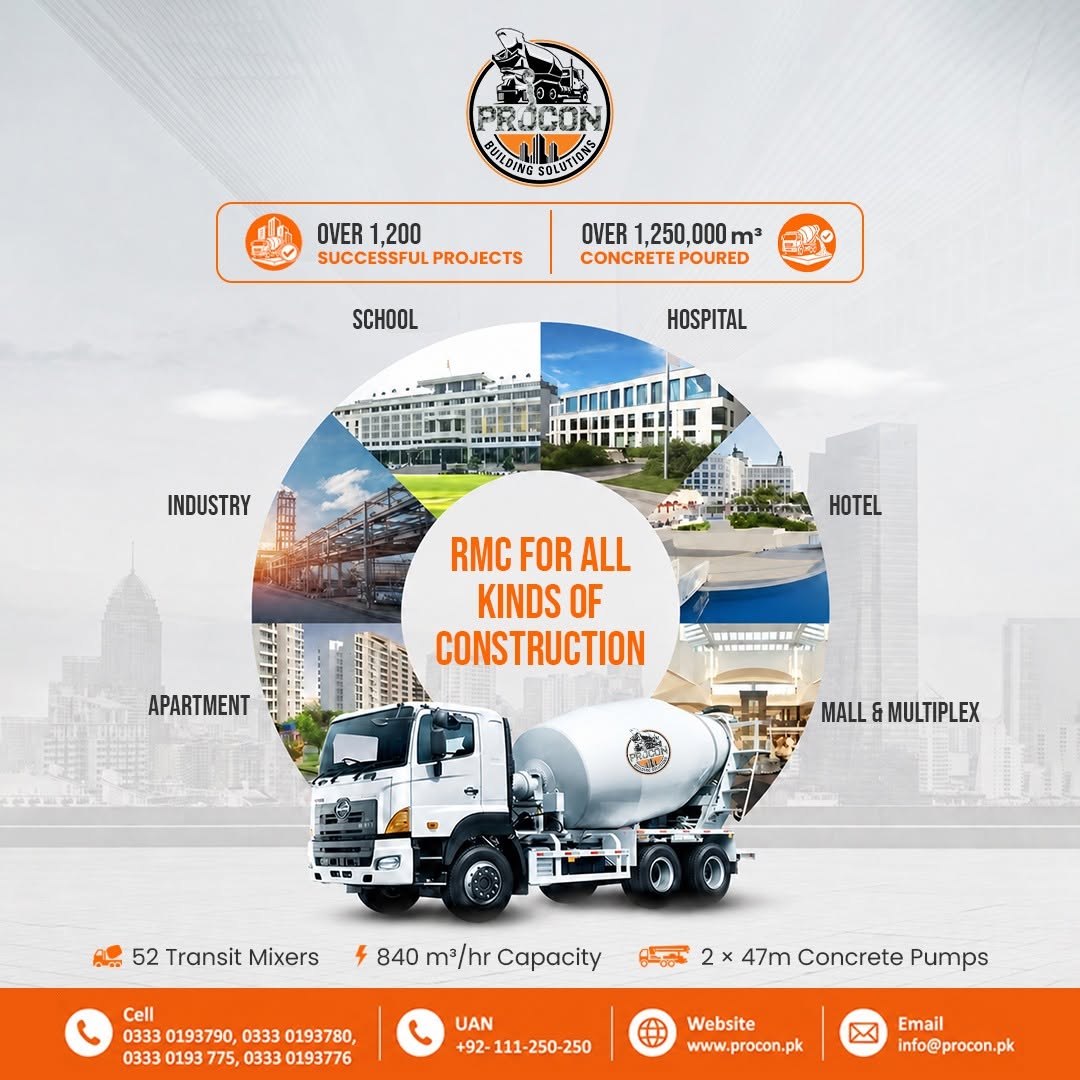
Streamlining communication requires working with professional suppliers who view logistics as a collaborative engineering alliance rather than a simple transactional delivery. Industrial batching operations utilize advanced scheduling software and dedicated customer service channels to keep project managers informed at every stage of production and transit. Accessing professional supply services specializing in ready mix concrete in Karachi transforms complex pours into streamlined, predictable operations, minimizing structural risks and ensuring complete adherence to design specifications.
Conclusion
Improving communication between concrete suppliers and site engineers is a critical operational strategy that directly dictates the speed, safety, and structural integrity of a construction project. By establishing clear technical specifications, leveraging real-time digital tracking, managing weather contingencies proactively, and fostering collaborative transparency, teams can eliminate costly friction. Committing to open communication channels alongside elite material supply remains the ultimate key to achieving flawless, long-lasting construction outcomes across any modern engineering landscape.
Survey No. 423, Ibrahim Hydri, behind Bol head quarter, Korangi creek road, Karachi-74900