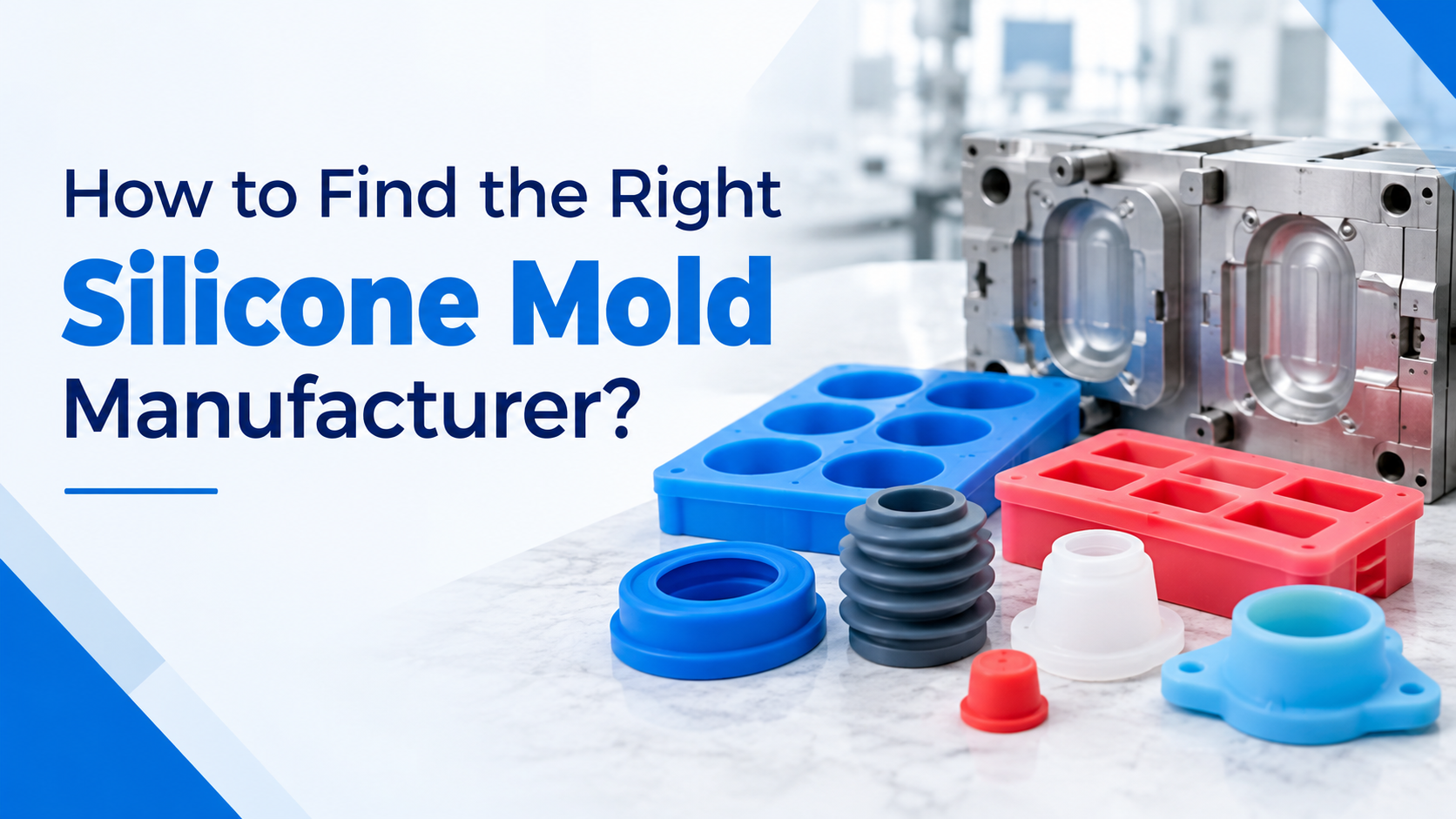
Start writing yoFor many OEMs, developing a mold may seem as simple as ordering a tool. However, the mold design can affect the quality and performance of every part made from it. A well-designed tool can help control flash, dimensions, and production cycle time. It can also make tool maintenance easier and support steady production over time. Poor mold decisions may lead to repeated adjustments, higher costs, and production delays. Working with a reliable custom silicone mold manufacturer early can help teams review the part design, tooling needs, and production goals before manufacturing begins. This blog outlines how OEMs can evaluate and select the right custom silicone mold manufacturer and tooling approach before starting production.
Begin With Part Geometry, Not the Mold
Businesses must ensure that the mold is designed around the final part, not the other way around. Wall thickness can affect filling, curing, and part strength. Undercuts may need special features to allow easy part removal. The number of cavities should match the expected production volume. Parting lines should be placed where flash will not affect fit or sealing. Draft can help the finished part come out of the mold smoothly. Surface finish should also match the part’s appearance and function. The manufacturing team can review the ejection requirements before the custom silicone molds are made.
Changing a mold after fabrication can be costly and slow production. Early design reviews help identify problems before tooling begins, saving time and avoiding unnecessary changes later.
How Parting Lines and Flash Affect Finished Components
The parting line refers to the area where two halves of the mold come together at the end of the molding process. The location of the parting line can influence the formation of flash during the molding process. The presence of flash can increase the amount of finishing work or impact the appearance. If flash forms in a sealing region, there can be no proper sealing during assembly. In critical areas, the engineering team considers the location of the parting line.
Flash control becomes more important for precision components. Small amounts of unwanted material can affect fit, sealing, or assembly. Early tooling reviews help identify these risks before production. This can reduce finishing work and quality problems.
Evaluate Mold Materials, Cavities and Production Volume
Mold material should match the expected production needs and part design. The number of cavities also depends on the required production volume. A single-cavity tool may work well for low-volume orders. However, it may slow production when demand becomes high. An experienced rubber mold company also considers cycle time and expected mold life. Longer production runs may require stronger tooling materials. They can help plan regular maintenance to keep the mold working properly. These factors help teams choose tooling that supports steady production.
Tooling cost should not be judged only by the initial price. Businesses should also consider production volume, maintenance, tool life, cycle time, and future demand because a higher initial cost may provide better value over the full production lifecycle.
Prototype Validation Before Production Tooling
Prototype testing can reveal problems before full-scale production begins. It can show whether the part has the correct dimensions for its application. Testing can also find interference when the part is fitted with other components. Sealing tests may reveal gaps, leaks, or poor contact areas. The prototype can also show how the material behaves during use. Design weaknesses may become clear during fitting or testing. A custom silicone mold manufacturer can use this feedback to improve the final tool and reduce costly tooling changes later.
First-article inspection provides another important quality check before regular production begins. The skilled engineering team can compare the first parts with approved drawings and specifications and give formal approval, confirming that the tooling and part are ready for production.
What to Ask Before Approving a Mold
Before approving a mold, business teams should confirm how it will perform during production. An experienced rubber mold company can answer these practical questions:
What is the expected mold life?
How will critical dimensions be controlled?
What is the cavity configuration?
How will flash be managed?
What maintenance will the mold need?
Can the mold support future design changes?
What inspection process will be followed?
How will first articles be inspected and approved?
Clear answers can help OEMs understand tooling risks before production starts. They can also support better planning for quality, maintenance, future changes, and production costs.
A Mold Decision Can Affect Every Part You Produce
Tooling design, cavity configuration, parting lines, tolerances, and expected production volume can influence both quality and long-term costs. Rubber Molded Products can discuss your tooling requirements and help assess suitable custom silicone molds and custom rubber molding options. Their team can also review production considerations when selecting a rubber mold company.
Conclusion
The design of the silicone tool requires a clear idea of the final part to be molded. The molding process involves mold design considerations such as geometry, parting line, cavities, and manufacturing requirements. Prototyping can help detect problems before the design of the final tooling. A reliable custom silicone mold manufacturer can guide these steps and support better tooling decisions. They can provide production approval to confirm that the mold can make consistent rubber molded products. With the right planning, OEMs and businesses can reduce tooling risks, avoid costly changes, and support reliable production.
Frequently Asked Questions
1. How should OEMs decide between single-cavity and multi-cavity silicone molds?
The considerations that need to be taken into account are volume per year, cycle time needed, machine capability, demand for parts, and acceptable cost of tooling. Multicavity tooling helps achieve higher volumes, but it is important to consider the balancing of cavities. If the cavities cannot be filled or cured evenly, there can be differences in the parts manufactured from the same mold.
2. What happens if a mold is designed before the silicone material is finalized?
Material selection can affect shrinkage, curing behavior, hardness, and processing conditions. If the material changes after tooling is completed, the existing mold may not produce the expected dimensions or performance. Businesses should finalize the key material properties before approving production tooling to reduce the risk of expensive mold changes or unexpected part variation later.
3. How can businesses determine which dimensions need the tightest mold tolerances?
Not all dimensions require the same amount of control. It is essential for businesses to identify which dimensions are more critical when it comes to sealing, assembly, movement, electrical clearance, etc. These critical dimensions are given tight tolerances, whereas less critical ones can have wider tolerances. Therefore, unnecessary precision is avoided, and tooling can be manufactured more efficiently.
4. Can a mold be designed to support future product revisions?
Yes, but this should be discussed before the mold is built. Some tooling can include replaceable inserts or other features that allow specific areas to be changed later. This can be useful when a product manager expects design updates or product variations. However, future changes should be considered carefully because they may affect cavity layout, parting lines, cooling, and overall mold structure.
5. How should OEMs evaluate mold life when production demand is uncertain?
Businesses must estimate the expected production volume, cycle frequency, material conditions, maintenance practices, and service life of the mold. As a mold may not be as valuable for longer production runs as it is for shorter production runs, they should compare expected tool life to projected part usage rather than solely relying on the lowest quotes when selecting equipment.
ur content...