Digital advertising is constantly evolving, and visual content remains one of the most important elements of a successful marketing campaign. From social media advertisements to website banners and promotional graphics, businesses rely on compelling visuals to capture attention and communicate their messages.
However, producing fresh advertising creatives for multiple platforms can be challenging. Marketing teams must balance creativity, consistency, production time, and campaign requirements. Artificial intelligence is helping businesses approach these challenges differently by introducing new ways to develop and explore visual concepts.
The Growing Role of AI in Creative Production
Traditional advertising production often involves several stages, including brainstorming, design, revisions, and adapting creative assets for different platforms. Although these steps remain important, AI-powered tools can help streamline parts of the creative process.
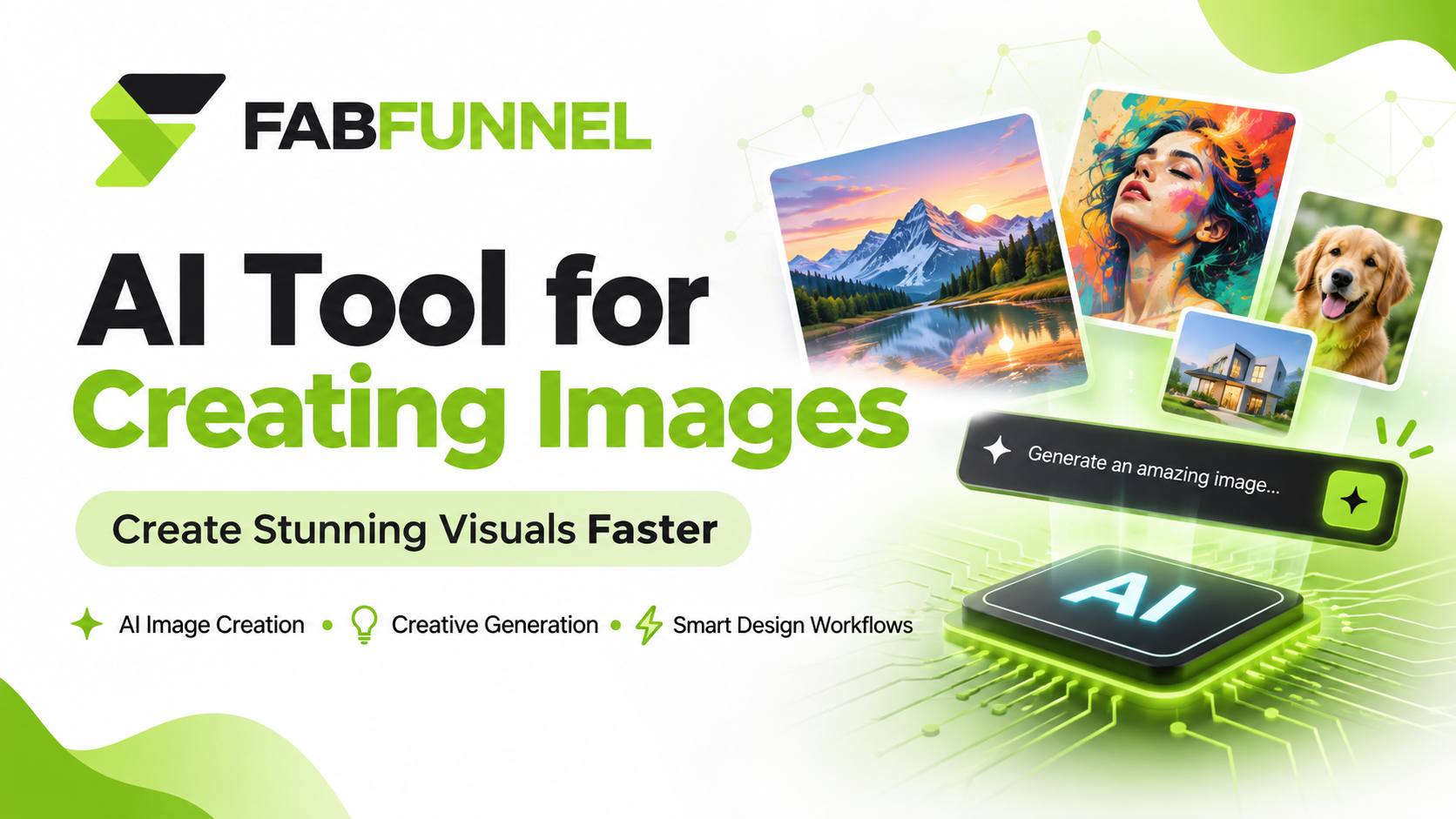
AI image generation enables marketers to explore visual ideas, experiment with different styles, and develop creative concepts based on their campaign requirements. This can be especially useful when businesses need multiple creative variations for different audiences or advertising placements.
Rather than beginning every design from scratch, teams can use AI-assisted workflows to explore possible directions before refining their preferred concepts.
Why Businesses Are Exploring AI Image Generation
1. Faster Creative Exploration
Advertising teams frequently need to test different visual approaches. An AI-powered workflow can help them explore alternative compositions, styles, and concepts without manually developing every initial idea.
This allows creative professionals to evaluate more possibilities during the early stages of campaign planning.
2. More Opportunities for Testing
Different audiences may respond to different visual styles. A product-focused image, a lifestyle concept, and a bold promotional graphic can communicate the same message in different ways.
AI-assisted creative production can help marketers explore these variations and prepare concepts for structured advertising tests. Actual campaign performance should still be evaluated using relevant metrics such as click-through rates, conversions, and cost per acquisition.
3. Flexible Creative Workflows
Businesses advertise across numerous digital channels, including social networks, websites, and online marketplaces. Each channel may require different image dimensions, layouts, or creative formats.
AI image generation can support the development of initial concepts that designers subsequently adapt to the requirements of each platform.
4. Support for Small Marketing Teams
Smaller businesses may not have extensive in-house design resources. AI-powered tools can help these teams explore visual concepts and communicate their ideas more effectively.
However, generated images should be reviewed carefully to ensure that they accurately represent the advertised product, follow brand guidelines, and meet the requirements of the intended platform.
Choosing an AI Tool for Creating Images
Selecting the right technology depends on the needs of the business. Some tools focus on general-purpose image generation, while others are designed around advertising and marketing workflows.
When evaluating an AI tool for creating images, businesses should consider several factors.
Creative flexibility: The tool should support the types of visual concepts required for the campaign.
Ease of use: A straightforward workflow can help marketing teams explore ideas without unnecessary complexity.
Advertising requirements: Generated visuals should be suitable for the intended placements, formats, and target audiences.
Brand consistency: Businesses should review whether the generated concepts can be refined to align with their visual identity.
Workflow integration: Creative tools are most useful when they fit naturally into existing planning, review, and campaign production processes.
Evaluating these factors can help businesses choose a solution that supports their particular advertising objectives.
How FabFunnel Supports Creative Generation
FabFunnel offers creative generation capabilities designed for advertising workflows. Its Creative Generations page provides a starting point for businesses and marketers interested in exploring AI-assisted visual content creation.
By incorporating creative generation into advertising workflows, marketing teams can investigate different visual concepts and explore approaches for presenting products, services, and promotional messages.
AI-generated concepts should be treated as part of a broader creative process rather than automatic replacements for strategic thinking. Human review remains important for checking accuracy, brand alignment, originality, and suitability for the target audience.
Best Practices for Using AI-Generated Advertising Visuals
Businesses can get more value from AI-assisted creative production by following a few practical principles.
Start with a clear objective. Define the audience, campaign message, and desired action before developing visual concepts.
Provide meaningful creative direction. Clear descriptions of the subject, style, setting, and intended use can help guide the creative process.
Review every output. Check for visual inconsistencies, inaccurate product details, distorted elements, and other issues before publishing.
Maintain brand consistency. Apply appropriate colours, typography, messaging, and design standards when refining creative assets.
Measure campaign performance. Use real advertising data to determine which concepts resonate with audiences instead of relying exclusively on personal preferences.
Respect usage rights. Check the relevant tool's terms, image licensing conditions, and advertising platform policies before using generated visuals commercially.
These practices help businesses combine the speed of AI-assisted ideation with the judgement and expertise required for effective marketing.
The Future of AI in Digital Advertising
AI is creating new opportunities for businesses to explore creative concepts and adapt their marketing workflows. As these technologies develop, advertisers may find additional ways to experiment with visual storytelling, campaign variations, and content production.
Nevertheless, technology alone does not guarantee successful advertising. Understanding the audience, communicating a clear message, maintaining creative quality, and measuring results remain essential.
Businesses that combine AI-assisted production with thoughtful creative strategy can explore more possibilities while maintaining control over the quality and relevance of their advertising.
Conclusion
AI image generation is becoming an increasingly useful part of modern digital advertising. It can help marketing teams explore visual concepts, develop creative variations, and support more flexible production workflows.
The best results come from combining these capabilities with clear campaign objectives, human review, consistent branding, and performance measurement.
For businesses looking to explore AI-assisted advertising creatives, FabFunnel's Creative Generations platform offers an opportunity to learn more about the possibilities of AI-powered visual content creation.