Protein is an essential nutrient that supports muscle maintenance, tissue repair, and many important processes in the human body. For people who exercise regularly, getting enough protein can help support training and recovery. While a balanced diet remains the foundation of good nutrition, protein supplements can provide a convenient option for individuals who find it difficult to meet their daily requirements through food alone.
Among the available supplements, whey protein isolate is a popular choice for fitness enthusiasts. Understanding how it differs from other protein sources, what to look for on product labels, and how to evaluate quality can help consumers make informed decisions.
What Is Whey Protein Isolate?
Whey protein is obtained from milk during cheese production. It contains essential amino acids that the body needs to build and maintain proteins. Whey protein isolate undergoes additional processing to increase its protein concentration and remove much of the fat and lactose found in the original whey.
Compared with whey protein concentrate, isolate generally contains a higher proportion of protein by weight. However, nutritional values vary between products, so consumers should always review the nutrition label instead of relying exclusively on marketing claims.
Whey isolate is not automatically lactose-free, and it remains a milk-derived ingredient. People with a milk protein allergy should not assume that it is a safe alternative.
Why Is Protein Important for Active Individuals?
Protein contributes to the maintenance of muscle tissue and supports recovery from physical activity. People who participate in resistance training often pay particular attention to protein intake because exercise and adequate nutrition work together to support muscle development.
Protein also contributes to normal bodily functions beyond exercise, including the production of enzymes and other proteins required by the body.
Although supplements can be convenient, they are not essential for everyone. Foods such as lentils, beans, soy products, eggs, fish, meat, and dairy can provide protein as part of a varied diet. The appropriate combination depends on dietary preferences, nutritional needs, and individual circumstances.
Six Factors to Consider When Choosing a Protein Supplement
1. Protein Content per Serving
The first step is to compare the amount of protein supplied per serving. Check both the protein quantity and the serving size in grams.
Two products may advertise similar protein amounts while requiring different quantities of powder to deliver them. Reviewing the complete nutrition panel provides a more useful comparison than focusing on the front of the package.
It is also worth checking total calories, carbohydrates, fats, and sugars to understand how the product fits into your daily diet.
2. Ingredient Transparency
Ingredient lists can differ depending on the product's flavour and formulation. Flavoured supplements may contain sweeteners, flavourings, emulsifiers, and other additional ingredients.
Consumers with food allergies, sensitivities, or specific dietary preferences should review the ingredient list and allergen declarations carefully. Clear labelling helps people understand what they are purchasing and whether a product is suitable for their needs.
3. Quality and Manufacturing Standards
Product quality should be considered alongside nutritional value. Look for identifiable manufacturer information, batch details, appropriate regulatory information, and transparent product labelling.
Where credible independent testing is available, it may offer additional information about product composition and quality. However, claims such as premium quality or advanced formulation should not be treated as proof without supporting evidence.
Purchasing from a reputable seller and checking the manufacturer's information can also help consumers make more informed decisions.
4. Digestibility and Dietary Compatibility
Digestive comfort varies between individuals. Whey protein isolate generally contains less lactose than whey concentrate, but the exact amount depends on the product.
People with lactose intolerance may need to check the product's lactose content and consider alternatives if they experience discomfort. Lactose intolerance and milk protein allergy are different conditions, and isolate is not suitable for people who must avoid milk proteins because of an allergy.
Anyone uncertain about a supplement's suitability should seek advice from a qualified healthcare professional.
5. Cost and Overall Value
Price alone does not determine whether a supplement offers good value. Consumers can compare the cost per serving and the amount of protein supplied per serving to understand the actual cost of their protein intake.
Container size, discounts, flavour options, and serving recommendations can all affect the comparison. Evaluating these details provides a more practical basis for choosing a product within a budget.
6. Personal Fitness and Nutrition Goals
Different individuals have different priorities. Someone following a resistance-training programme may focus on protein concentration and convenience, while another person may prioritise ingredient simplicity, flavour, or dietary compatibility.
The supplement should complement a balanced eating pattern rather than replace nutritious meals. Adequate energy intake, consistent exercise, and sufficient rest remain important components of a sustainable fitness routine.
Exploring Isolate Protein Options in India
The Indian market offers a range of protein supplements with different formulations, nutritional profiles, and prices. Comparing several products can help consumers understand these differences before making a purchase.
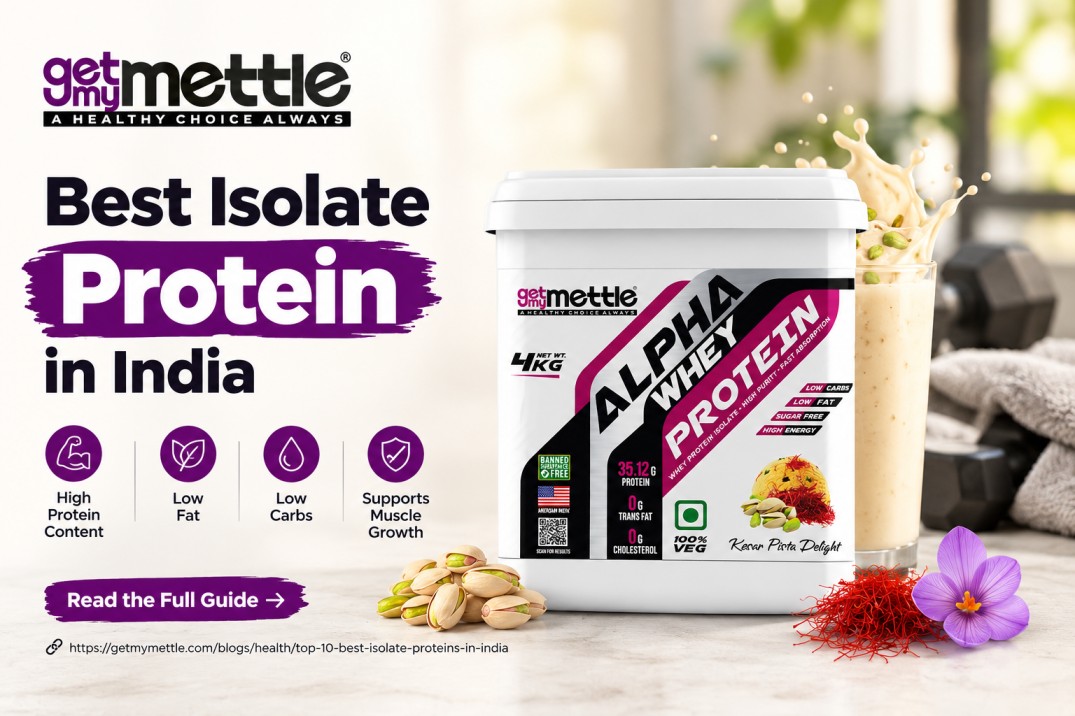
Readers researching the best isolate protein in india can explore a guide covering ten isolate protein options. Such comparisons can be a useful starting point, but product information should always be checked against current labels and manufacturer details.
Prices, ingredients, and availability may change over time. Consumers should therefore evaluate current information rather than relying exclusively on older reviews or general recommendations.
How Much Protein Does a Person Need?
Protein requirements depend on factors such as body weight, age, activity level, health status, and personal goals. People who exercise regularly may have different requirements from those with less active routines.
A practical starting point is to consider the protein already supplied by everyday meals. A varied diet can provide protein alongside vitamins, minerals, fibre, and other nutrients that supplements do not necessarily supply.
Consuming more protein than the body needs does not automatically produce better results. Overall dietary quality, appropriate training, and recovery habits also matter.
People with kidney disease or other medical conditions that require dietary restrictions should consult a qualified healthcare professional before substantially increasing their protein intake.
Common Mistakes When Buying Protein Supplements
Several avoidable mistakes can make choosing a supplement more difficult. These include selecting products solely because of advertisements, ignoring serving sizes, overlooking allergen information, and assuming every isolate product is lactose-free.
Another common mistake is paying a premium without comparing protein content, ingredients, and quality information. Marketing language should not replace a careful review of the product itself.
Consumers should also avoid expecting supplements to compensate for inconsistent exercise or an unbalanced diet. Protein powder is a convenient nutritional option, not a substitute for healthy habits.
Conclusion
Whey protein isolate can be a convenient source of protein for people who need help meeting their daily nutritional requirements. Choosing an appropriate product involves comparing protein content, ingredients, quality, digestibility, and cost while considering individual dietary needs.
There is no single supplement that is ideal for everyone. Reviewing reliable product information and making choices based on personal requirements can help consumers approach supplementation more confidently.
Ultimately, a balanced diet, regular physical activity, and consistent recovery habits remain central to long-term health and fitness.