Maintaining a balanced diet is an important part of building a healthy lifestyle. Protein plays a vital role in muscle maintenance, tissue repair, and numerous biological processes. Whether someone is beginning a fitness routine, participating in sports, or simply trying to improve everyday nutrition, understanding protein requirements can help support better dietary decisions.
Protein powders have become a convenient option for people who find it difficult to meet their daily protein needs through food alone. However, choosing the right supplement requires careful consideration of nutritional content, ingredients, dietary preferences, and individual fitness goals.
Why Is Protein Important?
Protein is an essential macronutrient made up of amino acids. The body uses these amino acids to maintain tissues, support muscle recovery, and produce enzymes and other important substances.
People who participate in regular physical activity may need to pay particular attention to their protein intake. Resistance training, for example, places demands on muscles, and adequate nutrition helps support the body's recovery and adaptation.
Protein is available through many everyday foods, including lentils, beans, eggs, fish, poultry, dairy products, tofu, and soy-based foods. A varied diet can provide protein alongside other nutrients that contribute to overall health.
Protein supplements can offer convenience, but they are not necessary for everyone. Their usefulness depends on whether they help an individual meet their nutritional requirements.
Understanding Different Types of Protein Powder
Knowing the main types of protein powder makes it easier to compare products.
Whey Protein
Whey protein is obtained from milk and is commonly used by people who participate in strength training and other fitness activities. It provides protein in a convenient form and is available in different flavours and formulations.
Whey concentrate generally contains varying amounts of lactose, fat, and other milk components. Whey isolate is processed to contain a higher proportion of protein and typically less lactose and fat. The exact nutritional profile depends on the product.
People with a milk allergy should avoid whey protein. Those with lactose intolerance should review labels and consider their individual tolerance.
Plant-Based Protein
Plant-based protein powders may be made from peas, soy, rice, or combinations of plant protein sources. They can suit people following vegan diets or those who prefer dairy-free products.
When comparing plant-based supplements, review the protein content, ingredient list, allergens, and nutritional information. Choosing a product that fits your dietary requirements is more important than following a trend.
Casein Protein
Casein is another milk-derived protein used in nutritional supplements. It has different digestion characteristics from whey and is available in several product formulations.
As with any supplement, suitability depends on dietary needs, allergies, personal preferences, and the overall nutrition plan.
Important Factors to Consider Before Buying
Choosing a protein powder should involve more than looking at its brand name or price. Several factors deserve attention.
Protein per serving: Check the nutrition label to see how much protein a serving provides. Compare serving sizes as well as protein content when evaluating different products.
Ingredient transparency: Review the ingredients, sweeteners, added sugars, flavourings, and allergens. Clear labelling makes it easier to understand what you are consuming.
Quality standards: Choose reputable manufacturers that provide transparent product information and appropriate quality testing. Be cautious of supplements making unrealistic promises about muscle gain, fat loss, or guaranteed results.
Dietary suitability: Consider whether the product contains milk, soy, artificial sweeteners, or other ingredients you prefer to avoid. A supplement should fit your dietary needs.
Budget and convenience: Compare prices, serving sizes, flavours, and ease of preparation. A suitable supplement should fit your routine and budget without unnecessary expense.
Exploring Protein Powder Brands in India
Consumers in India can choose from a wide range of protein supplements across different categories and price points. This variety creates opportunities but can also make the buying process confusing, particularly for beginners.
Rather than choosing solely on the basis of advertising or social media popularity, compare nutritional labels, ingredients, quality information, and suitability for your individual requirements.
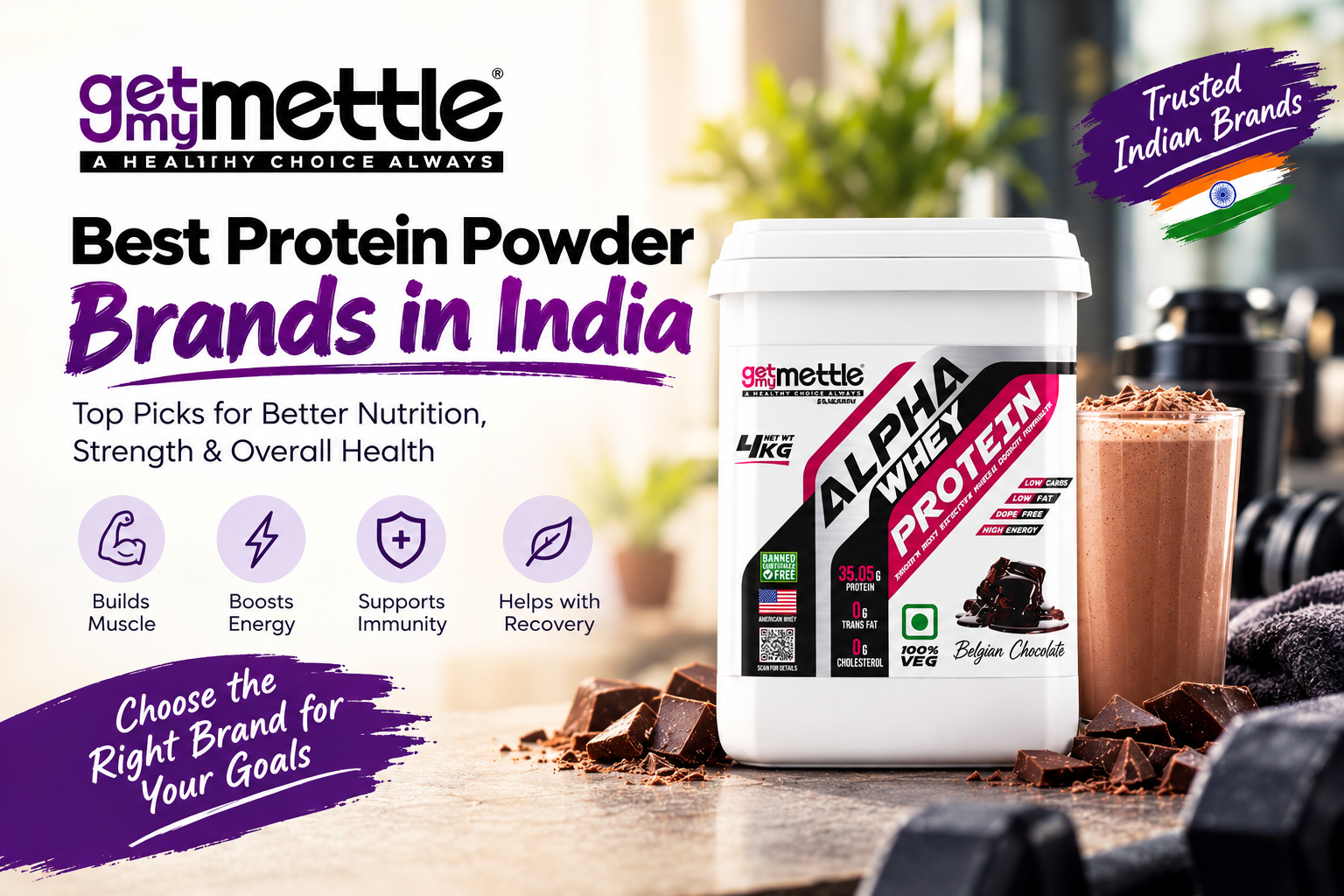
If you are researching available products, explore the best protein powder brands in india through this GetMyMettle guide. It offers a useful starting point for discovering popular protein powder brands and learning about the available options.
Before making a purchase, read the product information carefully and consider how the supplement fits into your existing diet. The most suitable choice will depend on your needs rather than the popularity of a particular brand.
Common Protein Supplement Mistakes
One common mistake is treating protein powder as a replacement for balanced meals. Whole foods provide a broad range of nutrients, including fibre, vitamins, minerals, and other beneficial components. Supplements should complement a varied diet rather than replace it unnecessarily.
Another mistake is ignoring serving sizes. Two products may appear to provide different amounts of protein because the recommended serving sizes differ. Comparing nutritional values carefully can help you evaluate products more accurately.
It is also important to avoid unrealistic expectations. Protein powder alone cannot guarantee muscle growth, weight loss, or improved athletic performance. Exercise, overall energy intake, sleep, recovery, and consistency all contribute to results.
Finally, never overlook allergies or medical considerations. People with specific health conditions or dietary restrictions should seek advice from a qualified healthcare professional before making significant changes to their supplement routine.
How to Include Protein Powder in a Balanced Lifestyle
When appropriate, protein powder can be mixed with water or a suitable milk alternative, blended into smoothies, or incorporated into selected recipes.
The ideal quantity and timing depend on your overall diet, activity level, and nutritional requirements. There is no universal schedule that works for everyone.
For example, someone who exercises regularly and struggles to obtain sufficient protein from meals may find a supplement convenient. Another person who already meets their needs through food may not benefit from adding one.
A sustainable fitness routine also includes balanced meals, hydration, appropriate physical activity, and adequate sleep. Individuals with kidney disease or other conditions requiring dietary management should consult a qualified professional before increasing protein intake.
Conclusion
Choosing a protein powder involves understanding your dietary needs, comparing nutritional labels, evaluating ingredients, and considering product quality. Whey, casein, and plant-based supplements offer different options, but no single product is ideal for everyone.
Research available brands, compare products carefully, and avoid exaggerated claims before making a decision. Most importantly, remember that supplements are intended to support nutritional needs, not replace a balanced diet.
With informed choices and consistent healthy habits, you can build a nutrition routine that aligns with your personal fitness goals and supports long-term well-being.Start writing your content...
