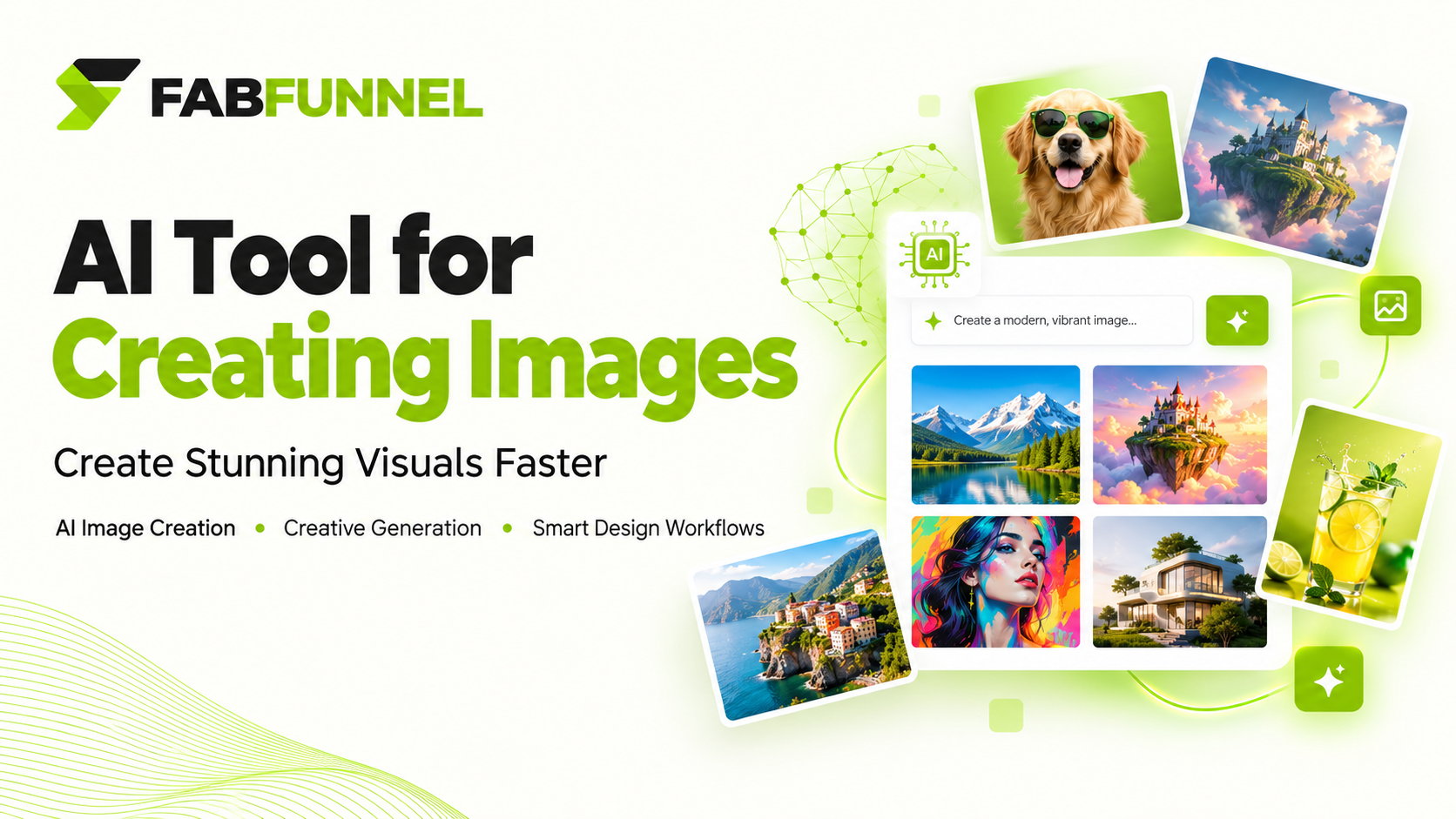
Visual content has become an essential part of digital marketing. Businesses use images across social media, online advertisements, websites, and promotional campaigns to attract attention and communicate their brand messages. As competition for audience attention grows, marketers are exploring new ways to develop creative visuals efficiently.
Artificial intelligence is opening up new possibilities for visual content production. AI-powered image generation allows businesses to explore creative concepts, experiment with different styles, and develop ideas that support their marketing objectives.
Why Visual Content Matters in Digital Marketing
Images can communicate information quickly and make advertising messages more engaging. A well-designed visual can help introduce a product, highlight a service, or communicate a brand's personality.
However, creating fresh visuals for every campaign can require considerable time and resources. Businesses often need different designs for multiple platforms, audiences, and promotional activities. This makes an efficient creative workflow increasingly valuable.
AI-assisted image generation offers another way for marketing teams to approach the creative process.
What Is AI Image Generation?
AI image generation uses artificial intelligence models to create or modify images based on instructions, references, or other inputs. Depending on the tool, users may be able to explore different visual styles, compositions, backgrounds, and creative concepts.
For marketers, these capabilities can support brainstorming and help transform campaign ideas into visual directions that can be reviewed and refined.
Rather than treating generated images as finished advertisements automatically, businesses should view them as part of a broader creative process that includes planning, editing, and quality checks.
Benefits of AI-Powered Creative Generation
1. Exploring More Creative Ideas
Developing advertising concepts often involves brainstorming and experimenting with different approaches. AI-assisted tools can help marketers explore multiple visual directions and identify concepts worth developing further.
This can be particularly useful when planning seasonal promotions, product launches, or social media campaigns.
2. Supporting Advertising Campaigns
Different advertising platforms may require different creative formats and visual approaches. AI image generation can help teams explore concepts for promotional graphics, product campaigns, and other marketing materials.
Designers and marketers can then refine suitable outputs to match their campaign requirements.
3. Improving Creative Workflow Flexibility
Marketing priorities can change quickly. Businesses may need to update visuals for new promotions, adjust campaign messaging, or explore alternative creative approaches.
AI-assisted generation can provide an additional option for developing initial concepts, allowing teams to evaluate different directions before finalizing their creative assets.
4. Supporting Small Businesses
Small businesses often work with limited creative resources. AI-powered tools can help them explore visual ideas without requiring every initial concept to be developed entirely from scratch.
Nevertheless, businesses should review the quality, relevance, and accuracy of every image before using it in a public-facing campaign.
Choosing the Right AI Tool for Creating Images
Not every image-generation platform is designed for the same purpose. Some focus on artistic illustrations, while others support product imagery, marketing graphics, or advertising workflows.
When evaluating an AI tool for creating images, businesses should consider their intended use cases, creative requirements, and existing marketing processes.
Important factors include ease of use, flexibility, output quality, available creative formats, and the ability to refine generated concepts.
Businesses should also consider whether the tool fits their workflow. A useful solution should help teams explore creative possibilities while leaving room for human judgement, brand guidelines, and campaign-specific adjustments.
How FabFunnel Supports Creative Generation
FabFunnel provides creative generation capabilities designed to support advertising workflows. Its Creative Generations page offers businesses and marketers a place to explore AI-assisted visual content creation for their marketing needs.
By incorporating creative generation into their workflow, marketing teams can investigate new visual directions and develop concepts for advertising campaigns.
The most effective approach combines technology with a clear understanding of the audience, campaign objectives, and brand identity. Generated visuals should be reviewed for accuracy, consistency, and suitability before publication.
Best Practices for Using AI-Generated Images
Businesses can make better use of AI-assisted creative tools by following a few practical guidelines.
Start with a clear objective: Identify the campaign's purpose, target audience, and intended message before developing visual concepts.
Provide specific creative direction: Clear instructions about style, composition, subject, and setting can help guide the generation process.
Review every image: Check for visual inconsistencies, incorrect product details, and other issues that could affect the quality of an advertisement.
Maintain brand consistency: Ensure the final creative assets align with the company's visual identity, messaging, and design standards.
Measure campaign results: Evaluate advertising performance using relevant metrics rather than assuming that a visually appealing image will automatically produce better results.
Check usage rights: Review licensing terms and applicable advertising policies before using AI-generated images commercially.
These practices help businesses integrate AI into their creative workflows without overlooking quality and accountability.
The Future of AI Image Generation
AI technology is creating new opportunities for businesses to explore visual storytelling and develop marketing content. As these tools evolve, creative teams may gain additional ways to experiment with advertising concepts and adapt visuals to different campaign needs.
However, successful marketing still depends on understanding customers, communicating useful information, and building trust. AI-generated imagery cannot replace the strategic thinking required to create meaningful advertising.
Businesses that combine AI-assisted production with human creativity and careful performance evaluation can build more adaptable content workflows.
Conclusion
AI image generation is becoming an increasingly useful option for modern digital marketing. It can help businesses explore new creative directions, develop advertising concepts, and support visual content production.
Choosing appropriate tools and maintaining strong quality standards are essential to getting meaningful value from this technology.
For marketers interested in exploring AI-assisted advertising visuals, FabFunnel's Creative Generations platform provides an opportunity to learn more about creative generation for digital marketing.