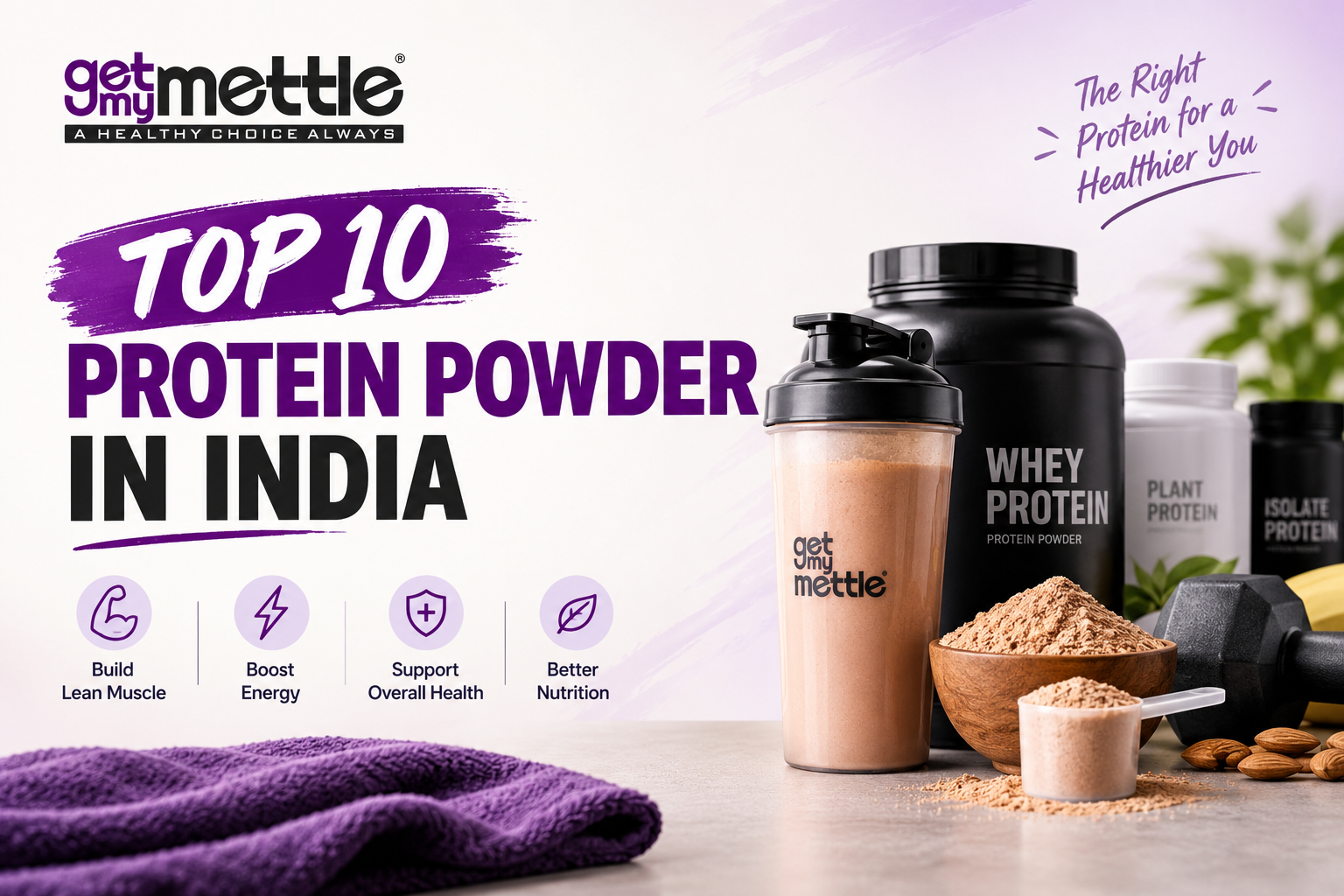
Protein plays an important role in maintaining overall health, supporting muscle growth, and helping the body recover after physical activity. Whether you enjoy strength training, participate in sports, or simply want to maintain a balanced diet, getting enough protein is an important part of your nutritional routine.
With so many nutritional supplements available, choosing the right protein powder can feel overwhelming. Different products offer different protein sources, ingredients, serving sizes, and prices. Understanding these differences can help you make a more informed decision.
In this guide, we will explore the major types of protein powders, factors to consider before buying one, and practical tips for selecting a product that suits your lifestyle.
1. Understand Why Protein Matters
Protein is an essential macronutrient that helps the body build and maintain tissues. It contributes to muscle maintenance, supports normal bodily functions, and provides amino acids that the body needs for various biological processes.
People who exercise regularly may have different protein requirements depending on their training intensity, body weight, age, and fitness goals. Individuals looking to build muscle often pay particular attention to their daily protein intake, while others focus on meeting their general nutritional needs.
Protein can be obtained from foods such as eggs, dairy products, lentils, beans, soy, fish, chicken, nuts, and seeds. Protein powder is a convenient supplement for people who find it difficult to meet their requirements through regular meals alone.
However, supplements should complement a balanced diet rather than replace nutritious whole foods unnecessarily.
2. Explore the Different Types of Protein Powder
Before choosing a product, it helps to understand the major protein categories available.
Whey Protein Concentrate
Whey protein concentrate is derived from milk during the cheese-making process. It contains protein alongside varying amounts of carbohydrates, fat, and lactose.
It is a popular option for people looking for a convenient protein source for everyday fitness routines. Its nutritional composition varies by product, so checking the label is important.
Whey Protein Isolate
Whey protein isolate undergoes additional processing to increase its protein concentration and reduce the amounts of fat and lactose.
Some people prefer it because of its higher protein content per serving. However, the actual composition depends on the product, and individuals with milk allergies should avoid whey protein.
Whey Protein Hydrolysate
Whey protein hydrolysate is processed using methods that break some proteins into smaller peptides. It may be marketed for easier digestion or absorption, but the practical advantages depend on individual needs and the specific formulation.
It can also be more expensive than other whey protein options.
Plant-Based Protein
Plant-based protein powders may contain pea, soy, rice, or blended plant proteins. They can be useful for people following vegetarian or vegan diets and for individuals who prefer to avoid dairy.
When choosing a plant-based product, review its protein content, ingredient list, and amino acid profile.
3. Research the Top Protein Powder Brands in India
The Indian market offers a wide selection of protein supplements across different price ranges. Rather than choosing a product based entirely on popularity or advertising, compare the features that matter to your needs.
If you are researching the top 10 protein powder in india, consider comparing the following factors:
Protein per serving: Check how much protein each recommended serving provides.
Ingredients: Review the ingredient list for sweeteners, flavourings, and other added ingredients.
Protein source: Determine whether the product uses whey concentrate, whey isolate, or plant-based protein.
Serving size: Compare products using the same serving size to avoid misleading comparisons.
Price per serving: Calculate the cost of one serving rather than comparing container prices alone.
Product transparency: Look for clear nutritional information, manufacturer details, and appropriate quality documentation.
A product with attractive packaging or a high price is not automatically better. Comparing labels and evaluating your individual requirements is a more practical approach.
4. Choose Protein Powder According to Your Fitness Goals
Your fitness goals can help determine which protein product is appropriate for your routine.
For Muscle Building
People working toward muscle growth generally benefit from consistent resistance training, adequate overall nutrition, sufficient protein intake, and appropriate recovery.
A protein supplement may help fill nutritional gaps when ordinary meals do not provide enough protein. However, consuming additional protein beyond your requirements does not automatically produce greater muscle growth.
For General Fitness
If your goal is to maintain an active lifestyle, focus on meeting your daily nutritional needs through balanced meals. A protein supplement may be convenient when you have a busy schedule or limited access to protein-rich foods.
For Weight Management
Protein contributes to satiety and helps maintain muscle during weight loss when combined with an appropriate diet and exercise routine.
However, protein powder is not a weight-loss product by itself. Total calorie intake, food quality, physical activity, sleep, and consistency also matter.
5. Check the Nutrition Label Carefully
Reading the nutrition label is one of the most useful steps when purchasing a protein supplement.
Start by checking the amount of protein per serving. Then examine carbohydrates, total fat, added sugars, and the overall calorie content.
Pay attention to serving size because two products may display similar protein quantities while using different serving measurements.
Review the ingredients for substances you may wish to avoid because of allergies, intolerances, or dietary preferences. If you are sensitive to lactose, consider whether a particular whey product is suitable for you.
Also, check the manufacturer's recommended serving instructions. Using more powder than recommended does not necessarily improve results and may add unnecessary calories or expense.
6. Consider Quality, Authenticity, and Safety
Product quality deserves as much attention as nutritional content.
Purchase supplements from reputable retailers or official brand websites. Check the packaging, batch details, expiry date, and manufacturer information before use.
Where available, review credible third-party testing or quality certifications that apply to the specific product. These can provide additional information about product quality and testing practices.
Avoid products that make unrealistic promises, such as guaranteeing rapid muscle growth or dramatic body transformations without exercise or dietary changes.
If you have a medical condition, take regular medication, are pregnant, or have specific dietary restrictions, consult a qualified healthcare professional before introducing a new supplement.
7. Compare Price and Value Before Buying
Protein supplements are available at various price points. The most expensive option is not necessarily the best choice for every individual.
To compare value, divide the product price by the number of servings it contains. Then consider how much protein each serving provides.
For example, a product with more servings may initially appear more expensive but could offer a lower cost per serving. Nevertheless, price should be considered alongside ingredient quality, protein content, suitability, and product transparency.
Choose an option that fits your nutritional requirements and budget without compromising on essential quality considerations.
8. Build a Balanced Nutrition Routine
Protein powder works best when it supports an otherwise balanced lifestyle.
Include a variety of protein-rich foods in your meals, along with vegetables, fruits, whole grains, and healthy fat sources. Maintain a consistent exercise routine appropriate for your goals and allow enough time for recovery.
You can mix protein powder according to its label instructions, using water or a suitable beverage. Some people also incorporate it into smoothies or other recipes.
Remember that individual protein requirements vary. A dietitian or qualified healthcare professional can help determine an appropriate intake based on your circumstances.
Conclusion
Choosing a protein powder involves more than selecting a popular brand. You should consider the protein source, nutritional composition, ingredients, product quality, price, and compatibility with your dietary preferences.
Whether you prefer whey concentrate, whey isolate, hydrolysed whey, or plant-based protein, the right choice depends on your individual needs and fitness routine.
Take time to compare available options, read product labels carefully, and focus on reliable nutritional information rather than exaggerated marketing claims.
For further research, explore GetMyMettle's guide to the top 10 protein powder in india to learn more about protein powder brands and the factors worth considering before making a purchase.
Ultimately, consistent nutrition, regular physical activity, adequate recovery, and informed supplement choices can help you work toward your long-term fitness goals.