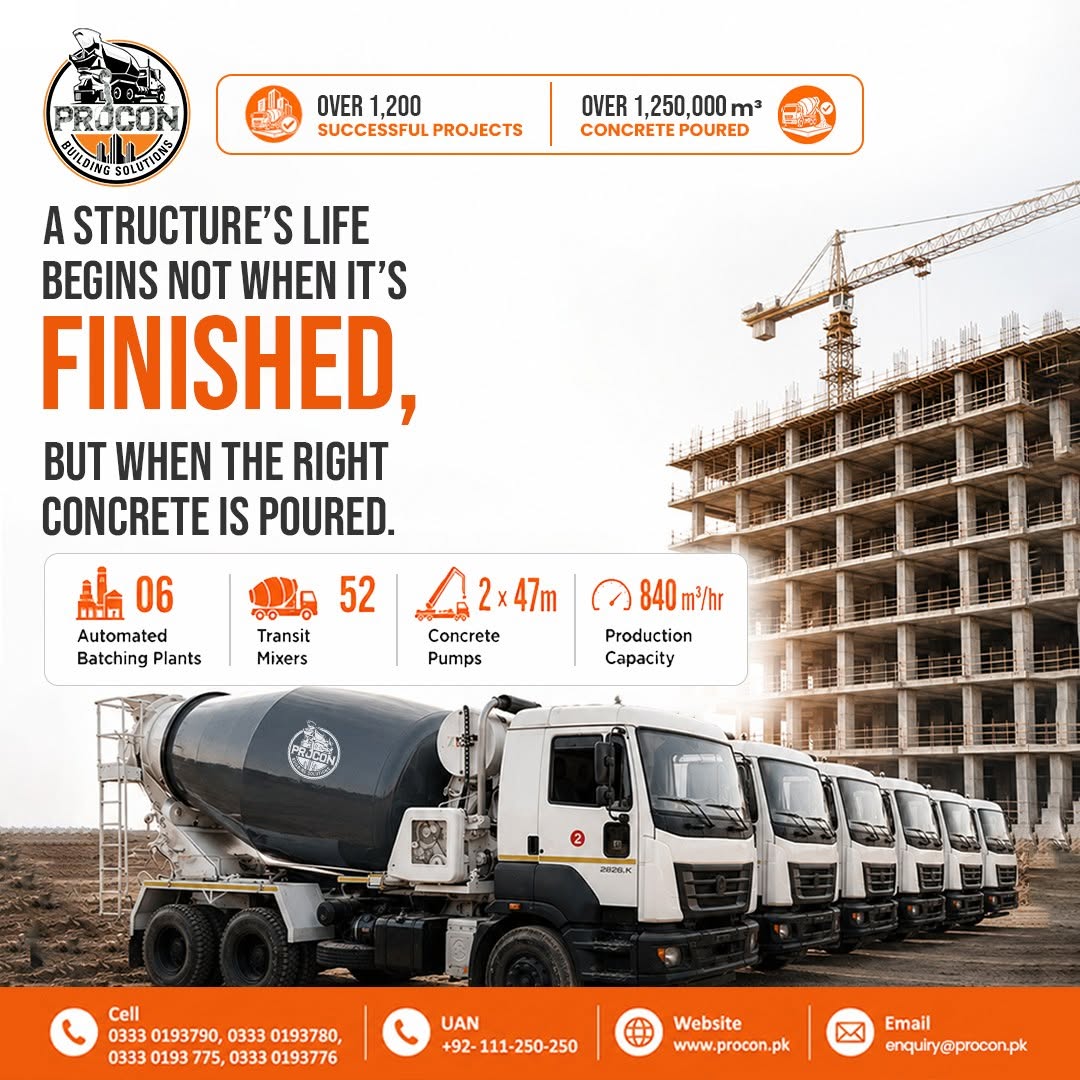
The global built environment is experiencing a profound paradigm shift. As energy costs soar and stringent environmental regulations take effect worldwide, developers, architects, and engineers are placing unprecedented emphasis on energy-efficient building design. While heating, ventilation, and air conditioning systems often dominate discussions regarding building energy performance, the thermal properties of the structural shell itself play an equally vital role. Concrete, as the primary structural backbone of modern residential towers, commercial complexes, and industrial facilities, significantly influences a building's thermal mass, insulation capability, and overall energy consumption. However, conventional site-batched concrete often lacks the precise thermal and structural homogeneity required for high-performance green buildings. Transitioning to advanced industrial manufacturing transforms this capability. Sourcing precision-engineered materials from a trusted supplier of ready made concrete Karachi empowers builders to optimize thermal performance, reduce operational energy demands, and champion sustainable construction standards.
1. Harnessing Thermal Mass to Stabilize Indoor Temperatures
One of concrete’s greatest inherent advantages is its exceptional thermal mass, allowing it to absorb, store, and slowly release heat over extended cycles.
Natural Temperature Regulation: High-density concrete walls and floor slabs absorb excess solar heat during peak daytime hours and release it slowly during cooler nights, flattening indoor temperature spikes.
Reducing HVAC Peak Loads: By dampening interior temperature fluctuations, structural thermal mass significantly lowers the daily workload on mechanical heating and cooling systems.
Optimizing Energy Efficiency: Buildings constructed with dense, uniform concrete require far less continuous electrical input to maintain comfortable indoor climates year-round.
2. Integrating Supplementary Cementitious Materials for Insulation
Modern concrete technology goes far beyond traditional sand, gravel, and cement by incorporating advanced mineral additives that enhance physical properties.
Improving Micro-Structure Density: Incorporating industrial byproducts like fly ash, silica fume, and slag creates a tightly packed micro-pore structure that minimizes thermal bridging.
Enhancing Air-Barrier Integrity: High-performance mixes reduce unwanted air infiltration through walls and foundations, preserving conditioned indoor air and preventing energy leakage.
Reducing Embodied Thermal Transfer: Specialized lightweight aggregate mixes can be engineered to provide higher insulation values without sacrificing core compressive strength.
3. Eliminating Structural Defects That Cause Energy Leaks
Energy efficiency relies heavily on flawless execution; structural cracks, honeycombing, and cold joints create pathways for moisture ingress and thermal loss.
Monolithic Thermal Envelopes: Precision-batched concrete delivered via synchronized logistics ensures seamless pours that eliminate weak interfaces where air and heat escape.
Preventing Retrofit Energy Waste: High structural integrity ensures that buildings do not suffer from premature degradation, avoiding energy-wasting repair work or heavy structural retrofitting down the line.
Streamlining Exterior Insulation Systems: Smooth, uniform concrete surfaces provide an ideal substrate for modern exterior insulation and finish systems (EIFS), maximizing overall thermal performance.
4. Precision Computerized Batching and Quality Control
Achieving targeted thermal and structural properties demands industrial-scale manufacturing precision. Centralized batching facilities utilize automated digital weighing systems, moisture compensation sensors, and strict laboratory testing protocols to ensure every truckload meets exact engineering parameters before dispatch.
Conclusion
Modern concrete solutions are indispensable drivers of energy-efficient construction, combining structural strength with natural thermal regulation to reduce long-term building energy consumption. By harnessing thermal mass, integrating advanced cementitious materials, and ensuring flawless monolithic placement, developers can dramatically lower operational carbon emissions. Sourcing certified materials and dependable logistical support from an established provider of ready made concrete Karachi gives builders the technical excellence and operational confidence required to construct sustainable, energy-efficient buildings for the future.
Survey No. 423, Ibrahim Hydri, behind Bol head quarter, Korangi creek road, Karachi-74900
+92 21 111 250 250