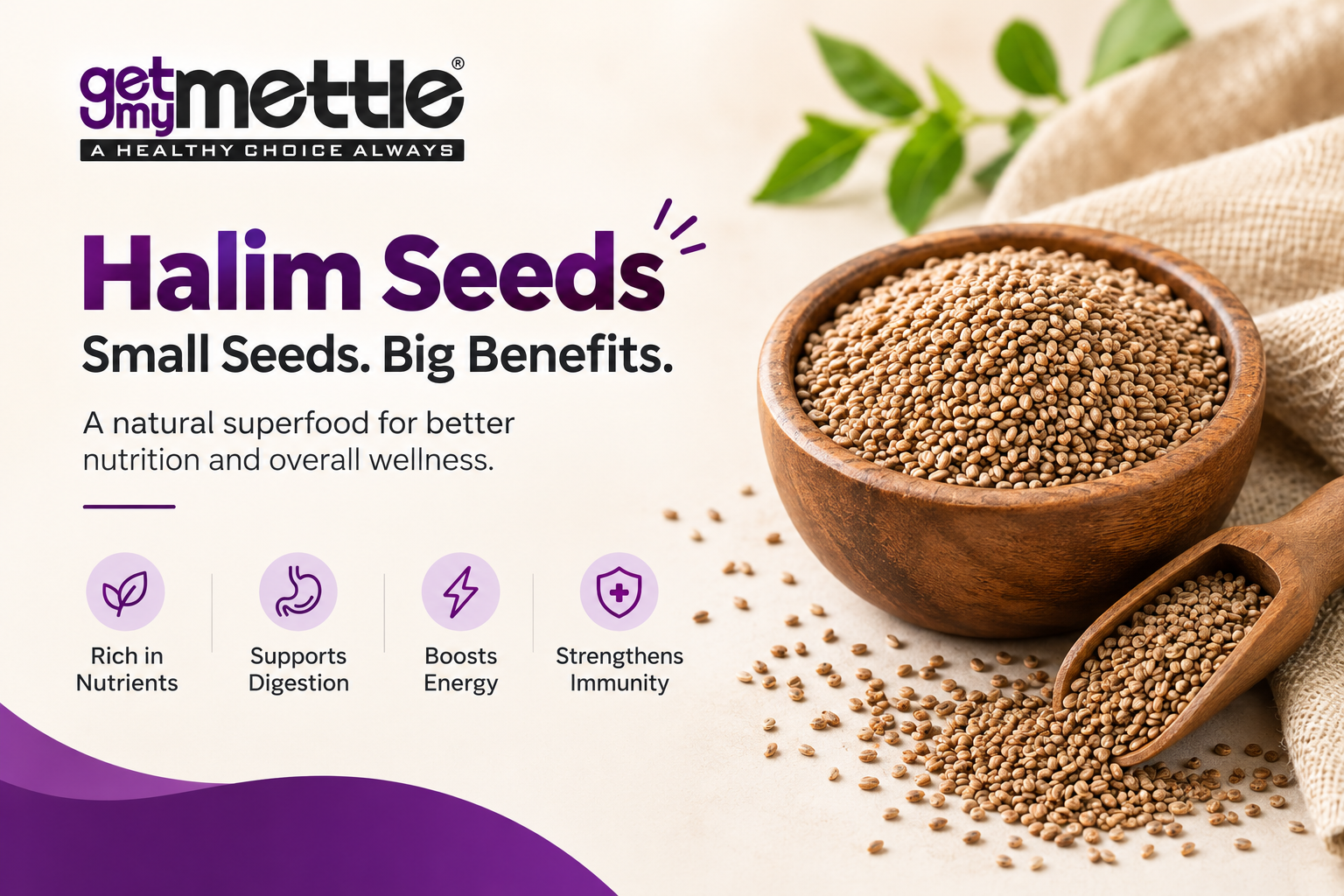
Maintaining a balanced diet begins with understanding the foods we eat and the nutrients they provide. While fruits, vegetables, whole grains, and protein-rich foods form the foundation of healthy eating, certain seeds can also contribute valuable nutrients to everyday meals. One example is halim seeds, a traditional Indian food ingredient that has attracted attention for its nutritional properties.
Also known as garden cress seeds, these small reddish-brown seeds are commonly used in traditional recipes and home cooking. They can be incorporated into different dishes, making them an interesting option for people who want to explore nutrient-rich ingredients.
Understanding their nutritional composition, potential benefits, and appropriate methods of consumption can help you decide whether these seeds deserve a place in your regular diet.
What Are Halim Seeds?
Halim seeds come from the garden cress plant, scientifically known as Lepidium sativum. They are used in various traditional food preparations, particularly in Indian households.
Despite their small size, these seeds contain nutrients such as protein, dietary fibre, minerals, and fats. Their nutritional composition makes them a useful addition to a varied diet, although the precise nutrient content depends on the variety, growing conditions, and processing methods.
In Indian cuisine, halim seeds are sometimes incorporated into laddoos, drinks, and other homemade preparations. They are also commonly soaked before consumption because they absorb water and develop a gel-like coating.
People interested in understanding their composition in greater detail can explore this guide to halim seeds, which discusses their potential benefits, uses, and possible side effects.
1. May Contribute to Better Digestive Health
Dietary fibre plays an important role in maintaining digestive health. Depending on the quantity consumed, fibre can help support regular bowel movements and contribute to normal digestive function.
Halim seeds contain dietary fibre, making them one possible addition to a fibre-rich eating pattern. When consumed alongside vegetables, fruits, legumes, and whole grains, they can contribute to overall fibre intake.
Soaking the seeds before eating can soften their texture and make them easier to incorporate into certain foods.
However, increasing fibre intake too quickly may cause bloating or discomfort in some people. Starting with a small amount and drinking sufficient water can help make dietary changes more comfortable.
2. Provide Plant-Based Nutrients
Halim seeds contain plant-based nutrients, including protein and minerals. Protein supports normal tissue maintenance and repair, while minerals contribute to several essential bodily functions.
For people following vegetarian diets, seeds can provide additional nutritional variety. Nevertheless, they should not be considered a complete replacement for other protein sources, such as lentils, beans, soy products, nuts, and dairy alternatives.
The most effective approach is to consume different nutrient-rich foods throughout the day rather than depending on a single ingredient to meet all nutritional requirements.
3. May Support Healthy Iron Intake
Iron is essential for producing haemoglobin, the protein in red blood cells that carries oxygen throughout the body. Inadequate iron intake can contribute to iron deficiency, which may cause tiredness, weakness, and reduced exercise tolerance.
Halim seeds contain iron and can contribute to dietary iron intake. However, their iron content does not mean that eating them alone can prevent or treat anaemia.
Plant-based iron is generally less readily absorbed than iron from animal sources. Consuming vitamin C-rich foods, such as guava, citrus fruits, or tomatoes, alongside plant-based meals can improve the absorption of non-haem iron.
Anyone experiencing symptoms of iron deficiency should consult a healthcare professional for appropriate testing and treatment rather than relying exclusively on food-based remedies.
4. Contribute to Bone Health
Healthy bones require a combination of nutrients, including calcium, phosphorus, protein, and vitamin D. Physical activity and adequate overall nutrition are equally important for maintaining bone strength.
Halim seeds can contribute certain nutrients to a balanced diet, but their role should be understood in the context of total daily intake.
For stronger bones, include a variety of calcium-rich foods, suitable fortified products, vegetables, and other nutritious ingredients. Regular weight-bearing exercise and appropriate vitamin D intake can also support bone health.
It is important to remember that no single seed can guarantee increased height or reverse established bone loss.
5. May Help Support Satiety
Satiety refers to the feeling of fullness after eating. Foods containing protein and fibre can contribute to satiety, which may help some people manage hunger between meals.
Halim seeds can be added in small quantities to meals or snacks to increase their nutritional variety. For example, soaked seeds may be incorporated into a breakfast preparation or combined with other ingredients in a homemade snack.
However, healthy weight management depends on several factors, including total energy intake, food quality, physical activity, sleep, and individual health conditions.
Halim seeds are not a weight-loss treatment, and consuming larger quantities does not necessarily produce better results.
How to Include Halim Seeds in Your Diet
One advantage of halim seeds is their versatility. They can be incorporated into familiar recipes without requiring complicated preparation.
Soaked halim seeds: Place a small quantity in clean drinking water and allow them to absorb water before consumption. Follow the product's preparation instructions.
Breakfast additions: Add properly prepared seeds to porridge or a suitable breakfast bowl for additional texture.
Homemade laddoos: Combine them with ingredients such as nuts and other traditional recipe components. Keep portion sizes in mind, particularly when using added sugar or calorie-dense ingredients.
Smoothies: Mix prepared seeds into a smoothie containing fruit and other nutritious ingredients.
Traditional recipes: Explore regional recipes that use garden cress seeds, adjusting the quantity according to the recipe and your dietary requirements.
Always use food-grade seeds intended for consumption. Do not eat large quantities of dry seeds without adequate preparation and hydration.
Possible Side Effects and Precautions
Although halim seeds can be included in many diets, they are not suitable for everyone in every quantity.
Consuming excessive amounts may cause digestive discomfort, particularly in people who are not accustomed to higher fibre intake. Introduce them gradually and pay attention to how your body responds.
People taking medication for diabetes or blood pressure should consult their healthcare professional before using concentrated preparations or consuming unusually large amounts, particularly if they have been advised to monitor their blood glucose or blood pressure.
Pregnant or breastfeeding individuals should seek personalised medical advice before using halim seeds in medicinal quantities. Normal culinary use and concentrated supplementation are not necessarily equivalent.
Anyone with a known food allergy should check the product's ingredients and discontinue use if an allergic reaction occurs.
Most importantly, halim seeds should complement a balanced diet rather than replace prescribed medication or professional medical treatment.
Final Thoughts
Halim seeds are a traditional food ingredient that can add nutritional variety to everyday meals. Their protein, fibre, and mineral content may contribute to a balanced eating pattern when combined with other nutrient-rich foods.
From soaked seed preparations to homemade snacks and breakfast recipes, there are several practical ways to explore their culinary uses. However, their benefits depend on the overall quality of your diet, portion sizes, and individual nutritional needs.
Before making significant dietary changes, especially when managing an existing health condition, consider seeking advice from a qualified healthcare professional or registered dietitian.
A sustainable approach to wellness is built on balanced meals, regular physical activity, adequate sleep, and informed food choices—not on relying on any single ingredient as a cure-all.